The latest Caviar iPhone is more than a phone; it is a conversation piece, a collectible, and a very modern form of fashion memorabilia. By embedding a genuine fragment of Steve Jobs turtleneck into a custom iPhone 17 Pro and Pro Max, Caviar turns a tech product into a wearable-status object with cultural memory built in. That matters because luxury today is no longer just about logos or price tags; it is about story, provenance, and the feeling that an object connects you to a larger design legacy. If you are curious about how collectible tech fits into a polished wardrobe, this guide breaks down why these pieces are desirable, how to judge authenticity, and how to style them as part of a high-low luxury look.
For shoppers who already think about accessories as identity markers, collectible phones sit at an intriguing crossroads with items like a hero bag or a signature watch. In the same way a single statement accessory can anchor an outfit, a customized phone can become the modern equivalent of a jewelry piece or lapel pin: subtle from afar, but full of meaning up close. That is why the current wave of tech luxury is so interesting, and why it intersects so naturally with articles like holiday outfit ideas built around one hero bag and fashion meets gaming, where style is increasingly shaped by the objects we carry, display, and collect.
What the Caviar Steve Jobs Turtleneck iPhone Actually Represents
It is not just a modded phone; it is a cultural relic in product form
Caviar’s concept works because Steve Jobs is not merely a former CEO. He is one of the most recognizable figures in the history of product design, minimalism, and consumer tech mythmaking. His black turtleneck became shorthand for disciplined creativity, so attaching a physical fragment of that garment to a modern iPhone creates a symbolic loop: the device that inherited his legacy now literally contains part of his uniform. That kind of storytelling is exactly what makes the piece collectible, because collectors often want an item that compresses an era into one object.
This is the same logic that makes other memorabilia markets endure. People are not only buying a thing; they are buying proof of a moment, a person, or a design philosophy. You see that in everything from rare sneakers to signed leather goods, and even in the way consumers scrutinize quality control in leather bags when they want a premium purchase to feel dependable. The Caviar iPhone extends that premium logic into the digital age, where the object is both a tool and an artifact.
Why fashion fragments embedded in tech feel so new
The idea of placing a material fragment from a recognizable garment into a phone case or chassis feels new because it blends two collecting behaviors: fashion collecting and gadget collecting. Fashion collectors often care about wear, provenance, and designer mythology, while tech collectors care about model rarity, release timing, and specification lineage. The Steve Jobs turtleneck iPhone brings those worlds together in one highly displayable object. It is less about function and more about what the object says when you set it on a table or photograph it beside a bag, a cuff, or a tailored jacket.
That blend of utility and narrative is part of a broader shift in luxury retail. Brands are increasingly trying to turn physical products into story-rich assets, whether through sustainable packaging, edition-based drops, or personalization. In other words, the phone is doing what the best collectible accessories do: it increases perceived value through rarity, detail, and emotional resonance.
How this differs from ordinary personalization
Personalization usually means initials, colors, engraving, or material choices. Collectible tech goes further because the personalization is tied to heritage. Rather than simply reflecting the buyer, it references a public figure and a design culture that already carries enormous symbolic weight. That shift matters. A monogram says, “this is mine.” A relic-based device says, “this belongs to a larger story, and I’ve chosen to hold a piece of it.”
Pro tip: If a luxury object can be summarized in one sentence, its value is often in the story rather than the specs. With collectible tech, ask: “What is the cultural claim here, and can it be verified?”
Why Collectible Tech Is Gaining Momentum in Luxury Wardrobes
Luxury shoppers are now buying identity systems, not just items
Fashion is increasingly about curation. A wardrobe no longer ends at clothing; it includes devices, cases, straps, earbuds, chargers, and the little objects that sit on a desk or in a bag. A high-end phone can function like jewelry because it is always visible, always carried, and often photographed. That visibility makes it valuable in the same way a polished watch, artisan bag, or statement sunglasses complete an outfit.
This is where collectible accessories become central to style. People want objects that look good, signal discernment, and still feel practical. That is why a collectible device can be styled alongside a tailored coat or a minimal dress, just as one carefully chosen accessory can transform an outfit in the way discussed in hero-bag styling. The point is not to over-accessorize; it is to let one object carry the visual story.
Digital-native luxury values scarcity and provenance
Modern luxury buyers are comfortable with limited editions, drops, serialized products, and digital proof points. They expect a product to have a paper trail, a production number, and a clear explanation of what makes it special. That is why tech luxury can feel more familiar than old-school heirloom collecting: the supporting documentation is often built into the modern buying experience. In a world shaped by QR codes, certificates, and digital receipts, the luxury object can be both tangible and data-backed.
This expectation mirrors how other premium purchases are evaluated across categories. Consumers check model value, condition, and resale appeal in categories like new versus open-box versus refurb MacBooks. A collectible iPhone adds another layer: not only is the hardware a luxury purchase, but the embedded material has to be verified too. The more layers of proof, the more confident the buyer feels.
Collectors are chasing the overlap of narrative and utility
There is a reason people display rare phones, designer headphones, and limited-edition watches on desks instead of hiding them in drawers. They are not just possessions; they are props in a personal brand story. For creators, entrepreneurs, and fashion-forward shoppers, the most compelling pieces are those that can move between a meeting, a dinner, and a social post without feeling out of place. A Steve Jobs turtleneck iPhone fits that brief because it is instantly legible to design-minded audiences but still discreet enough to look refined.
The same appetite for visible status objects can be seen in other style-forward curation strategies, such as building an outfit around one hero bag or selecting premium gear that holds up in daily life. Collectible tech works when it adds a meaningful accent rather than shouting over the rest of the wardrobe.
How to Judge Authenticity in Fashion Memorabilia Tech
Start with the source chain, not the sales page
The most important question is not whether the object is “official-looking,” but whether the materials and provenance are documented. If a product claims to contain a fragment of Steve Jobs’ turtleneck, buyers should expect a clear explanation of where the fabric originated, how it was acquired, and what process was used to authenticate and embed it. A luxury buyer should also ask whether the fragment is preserved in a way that protects it from deterioration, whether the piece is serialized, and whether the seller provides independent verification.
This is where a collector’s mindset overlaps with best practices in other premium categories. Just as shoppers look for manufacturing transparency in leather bag quality control, collectible tech deserves the same rigor. If the provenance story feels vague, the item may still be attractive as design, but it should not be treated as investment-grade memorabilia.
Look for documentation, not just branding
Authentic collectible products usually come with a certificate, product number, signed documentation, or a traceable chain of custody. In this case, that might include proof of the garment fragment’s origin, a description of the integration method, and photos or video from the customization process. Buyers should be wary of listings that rely heavily on emotional language but provide no hard evidence. The more premium the claim, the stronger the documentation should be.
In adjacent luxury categories, the market has already learned the value of visible proof. Buyers of sustainable fashion packaging or premium electronics expect packaging, serial numbers, and finish quality to support the brand story. With fashion memorabilia tech, the best sellers make verification part of the product experience rather than an afterthought.
Use a simple authenticity checklist before you buy
A practical authenticity checklist should include the following: the exact source of the embedded material, whether it is an original garment piece or a commemorative reinterpretation, the identity of the custom studio, the product’s edition size, and the existence of third-party validation. If any of these items are missing, the item might still be appealing, but you should price it as a design novelty rather than a museum-level collectible. That distinction protects both your taste and your wallet.
| What to verify | Why it matters | Good sign | Red flag |
|---|---|---|---|
| Source of embedded material | Confirms the memorabilia claim | Named provenance with date and chain of custody | “Inspired by” language with no source |
| Edition size | Supports scarcity value | Limited, serialized run | No number or unclear quantity |
| Verification documents | Builds buyer trust | Certificate, photos, process notes | Only marketing copy |
| Customization studio | Signals craftsmanship and accountability | Known luxury modder with track record | Anonymous reseller |
| Material preservation | Protects long-term display value | Sealed, stabilized, and described clearly | Loose fabric with no protection |
What Makes a Fashion Fragment Desirable in the First Place
Scarcity is emotional, not just numerical
Collectors love scarcity, but the best collectible objects also carry emotional scarcity. A fragment from Steve Jobs’ turtleneck is powerful because the garment itself was part of a highly recognizable visual system: black, simple, repeatable, and iconic. The fragment matters because it feels like a direct touchpoint with a design philosophy that shaped modern consumer technology. That emotional charge makes the object valuable even before you consider the edition count.
This is similar to how readers respond to objects that connect them to a specific lifestyle or memory. A custom garment, a favorite travel accessory, or a limited-edition bag can feel meaningful because it marks a chapter in your life. The same logic is visible in travel and carry-gear content like traveling with fragile gear, where the object’s value comes from both function and attachment.
Design lineage multiplies perceived value
Luxury buyers often pay for lineage because it lowers uncertainty and increases desirability. Steve Jobs’ wardrobe was intentionally reduced, almost uniform-like, which is precisely why it became iconic. The fewer variables in his style, the stronger the brand memory. Embedding a piece of that wardrobe into a modern iPhone creates a lineage story that is easy to understand and easy to sell.
That lineage also makes the piece easy to style. A minimalist collectible phone can sit comfortably next to monochrome tailoring, structured outerwear, or sleek eveningwear. It does not need to compete with the rest of the look; it acts like a final punctuation mark.
Conversation value is part of the price
In luxury, social utility matters. Some items are purchased partly because they create conversation, signal taste, or make a compelling first impression in photos and meetings. A fashion-fragment phone is built for exactly that. It functions as a displayable “what is that?” object, and the answer tells a story about design, technology, and cultural memory.
That social dimension is one reason collectible accessories are becoming more common across categories. Brands understand that a product shared online can do more for positioning than a standard ad. For insight into how narrative formats drive discovery, see serialised brand content, which shows why recurring story structures help audiences remember and discuss a product.
How to Style Collectible Tech as Part of a Luxury Wardrobe
Think of the phone as a jewelry-adjacent accessory
The easiest way to style collectible tech is to treat it like a piece of jewelry rather than a gadget. That means choosing a case finish, lanyard, bag pocket, or desk setup that lets the phone complement your wardrobe palette. If you favor warm metals, cream knits, and soft tailoring, a collectible iPhone can sit in a matching neutral case so the special detail becomes a subtle reveal rather than visual noise. If your look is sharper and more architectural, pair it with black leather, silver hardware, and crisp tailoring.
Styling works best when the tech object repeats a design cue already in the outfit. If your outfit includes a black knit, matte accessories, or minimal lines, the Steve Jobs turtleneck reference feels cohesive rather than forced. The result is quiet luxury with a story, which is much more compelling than a loud logo stack.
Pair it with one hero accessory, not a crowded wrist
A collectible phone should usually be the second or third most interesting object in the look, not the only one. Let it complement a structured bag, a slim watch, or a pair of refined sunglasses. If everything is competing for attention, the collectible device loses its impact. This is why editorial styling often centers one hero accessory and keeps the rest edited down, a principle echoed in one-hero-bag outfit planning.
For a polished daytime wardrobe, try pairing the phone with a trench coat, straight-leg trousers, a silk blouse, and clean loafers. For evening, let it live inside a clutch or top-handle bag that opens onto a color story already present in your jewelry. The goal is cohesion, not maximalism.
Make the object feel intentional in photos and social settings
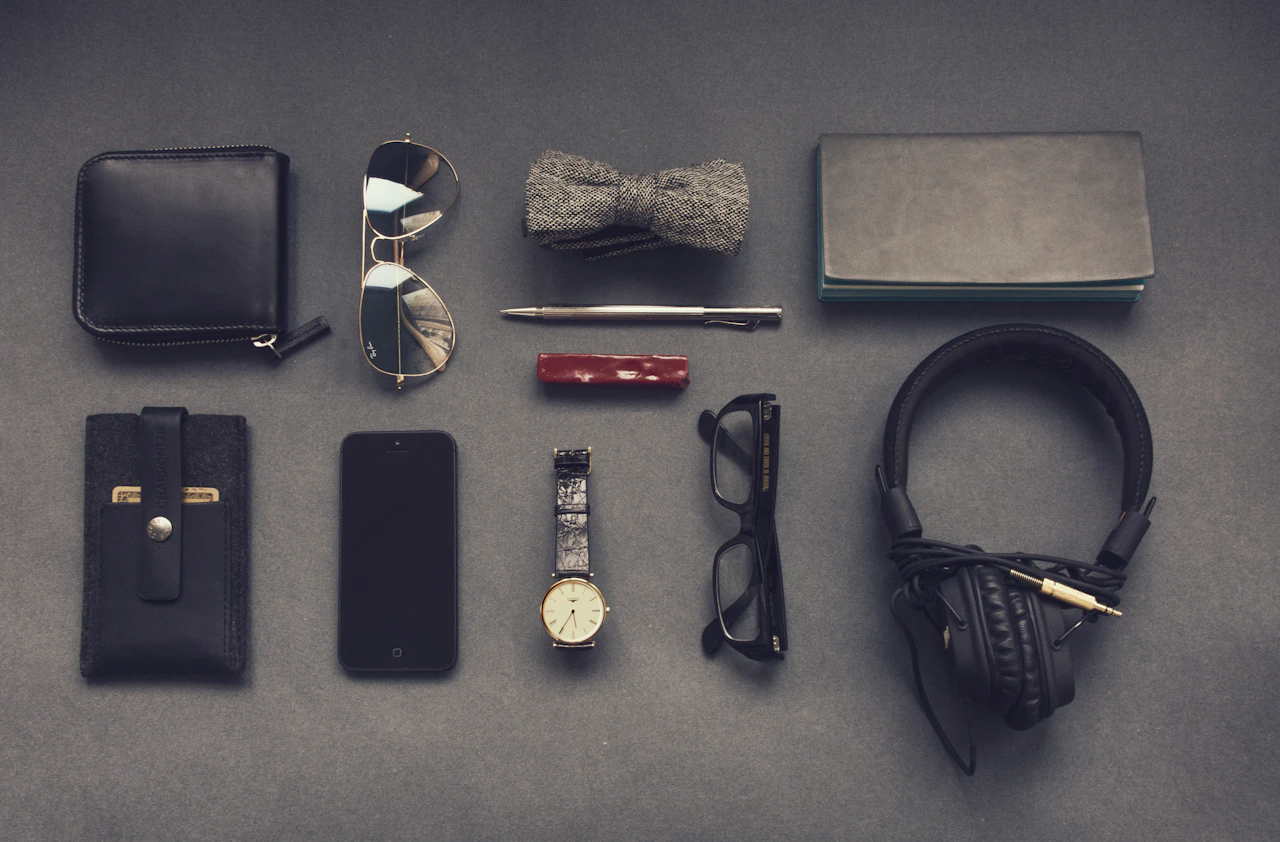
Because collectible tech is highly photographable, consider how it will appear in flat lays, mirror selfies, and dinner-table photos. Place it on textured surfaces such as matte stone, leather, or wood rather than shiny plastic, which can cheapen the effect. Keep the surrounding objects edited and premium: a slim notebook, a small perfume bottle, or a structured card holder. The visual language should say “curated” rather than “tech clutter.”
This approach mirrors what premium brands do with product staging, packaging, and visual merchandising. Strong presentation elevates perceived value, just as thoughtful shipping and unboxing can reinforce luxury in categories like sustainable packaging. If the phone is meant to be treasured, stage it like it belongs in a campaign image.
How to Buy Collectible Tech Without Regret
Buy for emotional value first, resale second
Luxury memorabilia can hold value, but it should not be treated like a guaranteed investment. The buyer who will enjoy the piece most is usually the one who would be happy owning it even if market demand softened. That is especially true for novelty-luxury objects, where demand can spike when the story is fresh and cool off when the conversation moves on. If you love the object as an expression of taste, you are already making the smartest purchase.
If resale matters, compare the object’s provenance to other high-ticket purchases you might make with caution, such as choosing between new, open-box, and refurb MacBooks. The logic is similar: understand what you are paying for, what condition it is in, and what documentation you can keep.
Check warranty, support, and usability
Collectible does not have to mean fragile, but it does mean you need to think about support. Ask whether the phone retains normal warranty coverage, whether customization affects repairs, and how the embedded material affects daily use. If the phone is meant to be carried, ensure the finish and placement of the memorabilia will not wear down quickly. A collectible item should delight you, not make you anxious every time you take it out of the box.
Buyers of premium tech know that serviceability matters. Just as consumers compare build quality and support in devices and accessories, collectors should confirm that the object is usable enough to justify its status. If the item is too delicate for everyday life, then it becomes display art rather than a functional part of your wardrobe.
Evaluate the brand’s reputation for trust
For any luxury purchase, the maker’s credibility is part of the product. If the studio has a track record of limited editions, clear documentation, and careful craftsmanship, that supports the item’s legitimacy. If not, demand more evidence. A trustworthy seller should anticipate questions and answer them with precision, not just glamour.
That standard aligns with broader consumer expectations around transparency and authenticity, whether in fashion, electronics, or packaging. In a market increasingly shaped by scrutiny, the best brands behave like trusted curators rather than hype machines.
The Future of Wardrobe Memorabilia and Tech Luxury
Expect more crossovers between memory, material, and machine
The Caviar Steve Jobs turtleneck iPhone is likely an early example of a bigger trend. As consumers continue to value personalization and story-rich design, we will probably see more objects that blend archival fabric, notable materials, or cultural references into modern accessories. The future of luxury may involve fewer isolated “things” and more hybrid objects that combine fashion, tech, and biography.
That future is already visible in adjacent sectors that favor data-backed trust and premium presentation. Articles like turning any device into a connected asset and how AR is quietly rewriting the way travelers explore cities show that physical objects are increasingly linked to digital layers. Collectible fashion tech fits right into that direction.
Authenticity will matter more as the market expands
The more popular fashion memorabilia becomes, the more buyers will demand proof. That will push brands toward better documentation, stronger serialization, and clearer descriptions of material origin. It may also create a split between serious collectible pieces and decorative novelty items that borrow the language of memorabilia without the evidence. For shoppers, that is a good thing: stronger standards usually mean better purchases.
Expect authentication to become a differentiator in itself. The brands that win will not just say something is rare; they will prove why it is rare and show how it was made. That transparency is what turns a cool concept into a lasting collectible category.
Luxury wardrobes will become more object-driven
As the line between dressing and displaying continues to blur, more buyers will think in terms of ensembles that include devices, cases, bags, and desk objects. The phone on your table may eventually matter as much as the shoes you wore to get there. That does not mean style becomes more complicated; it means style becomes more holistic. The best wardrobes will feel edited from head to hand.
If that sounds like the direction luxury is headed, it is because consumers increasingly want things that are beautiful, usable, and meaningful at once. That is precisely where fashion fragments embedded in tech succeed: they carry memory without sacrificing function.
Final Take: When Does Collectible Tech Deserve a Place in Your Wardrobe?
When the story is real and the design is strong
Collectible tech deserves a place in your wardrobe when it is more than a novelty. The best pieces have credible provenance, refined execution, and a story that aligns with your personal style. If the object feels like a gimmick, it will age quickly. If it feels like a cultural artifact with a modern use case, it can become a signature accessory that you enjoy for years.
That is why the Caviar iPhone concept is so compelling: it is not just about Steve Jobs, and it is not just about the phone. It is about the continuing power of design icons to shape what we consider beautiful, collectible, and worth carrying.
Choose pieces you will actually use, show, and remember
Before buying, ask whether you want to wear the story, display the story, or simply own the story. The best luxury purchases can do all three, but you should be honest about which role matters most. If you love styling tech as part of a luxury wardrobe, then a collectible phone can be one of the most modern expressions of fashion taste available today.
For more ideas on building a curated, style-forward collection, you may also enjoy hero-piece styling, budget tech upgrades, and budget travel hacks for outdoor adventures as you think about where premium objects fit into everyday life. In a wardrobe built on intention, even a phone can become a signature.
Frequently Asked Questions
Is the Steve Jobs turtleneck iPhone a good investment?
It can be collectible, but it should not be treated like a guaranteed financial investment. Value depends on provenance, edition size, condition, and long-term demand for the story. Buy it because you genuinely appreciate the object, not because you expect the market to always rise.
How can I tell whether a fashion memorabilia tech item is authentic?
Look for documented provenance, serialization, a clear explanation of how the material was sourced, and any third-party verification available. If the listing uses vague language like “inspired by” or gives no details about the embedded fragment, treat it cautiously. Authenticity should be explained, not implied.
Can collectible tech be styled with everyday clothing?
Yes. The easiest approach is to treat the phone like a refined accessory and keep the outfit edited. Neutral tailoring, minimal jewelry, and premium textures work especially well. The object should feel intentional, not distracting.
What makes fashion fragments in tech desirable?
Scarcity, story, emotional resonance, and design lineage all contribute. Buyers are drawn to objects that feel historically connected, visually elegant, and easy to display. When those factors line up, the object becomes more than a gadget.
Should I buy collectible tech for daily use or display only?
That depends on the piece and your comfort level. If the material is well protected and the device remains serviceable, daily use can make sense. If the embedded material is delicate or the edition is extremely rare, display-only may be the safer route.
Do I need original packaging and paperwork?
Yes, if you want the strongest resale potential and the best authentication trail. Packaging, certificates, and purchase records help establish provenance and make the item easier to verify later. Keep everything together in a secure place.
Related Reading
- Inside AI Quality Control: How Vision Systems Catch Defects in Leather Bags and What Consumers Should Know - A useful guide for spotting premium-quality cues before you buy.
- How Sustainable Packaging Can Elevate a Small Fashion Brand’s First Impression - Learn why presentation can raise perceived luxury.
- How to Choose Between New, Open-Box, and Refurb M-series MacBooks for the Best Long-Term Value - A smart framework for evaluating premium tech purchases.
- Traveling with Fragile Gear: How Musicians, Photographers and Adventurers Protect High-Value Items - Practical protection advice for your most delicate valuables.
- Serialised Brand Content for Web and SEO: How Micro-Entertainment Drives Discovery - See how story-driven content builds desire for collectible products.


